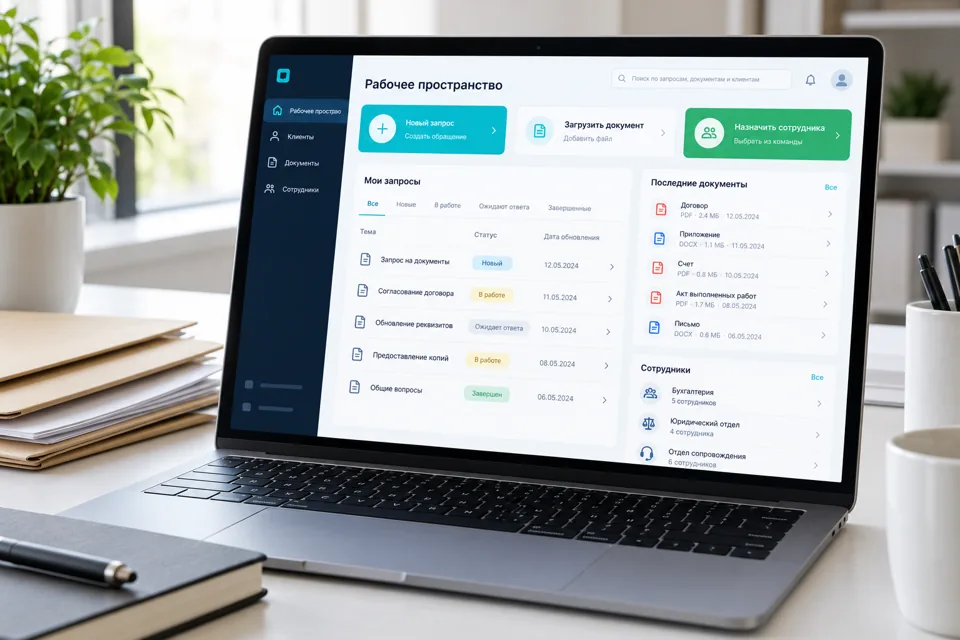
 Illustrative image
Define a justified scope
ERP can cover purchasing, stock, orders, production and management metrics, but not every business needs every module. Start with management decisions and the operations that supply their data. CRM manages customer relationships, BPM manages workflow, and ERP records resources and operations.
Agree reference data and rules
Define products, units, locations, entities, counterparties and movement categories. Specify which documents affect stock, when reservations occur and how returns work. Production needs bills of materials, consumption and output rules. Agree costing definitions and period corrections before building reports.
Deliver explainable operations
Provide document forms, journals, stock views, plans and reports linked to underlying records. Posting and reversal must be reproducible. Historical operations should not change invisibly. Select project, location or order dimensions for actual management needs rather than interface complexity.
Integrate with accounting
Assign authoritative records and exchange ownership. Existing finance tools, CRM and stores need supported APIs or exchange formats. Test SKUs, tax, currencies, rounding and document matching. Bespoke ERP does not remove accounting obligations; relevant specialists must confirm those requirements.
Reconcile migration
Agree a transition date, opening balances and identifier mapping. Trial migration checks record counts, balances and reports, investigating differences explicitly. Define where new operations are entered during transition, alongside backup, access and recovery responsibility.
Accept end-to-end accounting
Test ordering through resource movement and reporting, including partial fulfilment, returns and reversal. Check finance and operational roles separately. Handover includes calculation rules, integrations and correction instructions before extending the scope.
- Opening balances match approved sources.
- Documents affect resources as defined.
- Reversals preserve history.
- Report figures trace to documents.
Project questions
Does ERP replace accounting software?
Not necessarily. ERP may manage operational accounting and pass documents to finance software. Boundaries follow accounting needs and existing capabilities.
Can we start with stock and purchasing?
Yes. A limited scope helps establish reference data and resource movements before production or financial planning, while anticipating future data relationships.
Why reconcile before launch?
Incorrect balances and units distort later transactions. Trial migration and control reports expose problems before production records enter the new system.